
"The Robin Collective"
145200 article(s) found

Boutique Coffee basic knowledge Coffee from Papua New Guinea
The frost in 1975 destroyed most coffee crops in Brazil, but stimulated the development of the coffee industry in Papua New Guinea. The Government has implemented a scheme to subsidize rural or collective landowners to create about 20 hectares of coffee plantations. This measure does increase the penetration of coffee in the local economy, resulting in an increase in the annual output of coffee. Papua New Guinea.

Hougu Coffee will build another 20,000 ton Coffee production Line
Xing Meizheng, head of the coffee planting professional cooperative of the Xiadong Village Committee of Mangshi Town, told reporters that the cooperative was established in 2012 and was set up by 14 farmers, adopting the mode of unified management and collective processing, mainly to do a good job in rough processing of coffee and to increase the income of large coffee growers. Today, 180 farmers have participated in this coffee professional cooperative, which has become a relatively large profession in Mangshi.

Boutique Coffee Bean producer introduces Coffee from Papua New Guinea
The frost in 1975 destroyed most coffee crops in Brazil, but stimulated the development of the coffee industry in Papua New Guinea. The Government has implemented a scheme to subsidize rural or collective landowners to create about 20 hectares of coffee plantations. This measure does increase the penetration of coffee in the local economy, resulting in an increase in the annual output of coffee. Papua New Guinea.

The origin of coffee beans introduces coffee from Papua New Guinea
The frost in 1975 destroyed most coffee crops in Brazil, but stimulated the development of the coffee industry in Papua New Guinea. The Government has implemented a scheme to subsidize rural or collective landowners to create about 20 hectares of coffee plantations. This measure does increase the penetration of coffee in the local economy, resulting in an increase in the annual output of coffee. Papua New Guinea.

Wiki Valley, a coffee-producing region of Papua New Guinea, which is varied and rich in taste
The frost in 1975 destroyed most coffee crops in Brazil, but it affected the development of the coffee industry in Papua New Guinea. * * A scheme has been implemented to subsidize rural or collective landowners to create about 20 hectares of coffee plantations. This measure has indeed increased the penetration of coffee in the local economy, and by 1990, the annual output had reached 1 million bags. However, hardly ever.

Introduction to the origin of boutique coffee beans Papua New Guinea Coffee
The frost in 1975 destroyed most coffee crops in Brazil, but stimulated the development of the coffee industry in Papua New Guinea. The Government has implemented a scheme to subsidize rural or collective landowners to create about 20 hectares of coffee plantations. This measure does increase the penetration of coffee in the local economy, resulting in an increase in the annual output of coffee. Papua New Guinea.
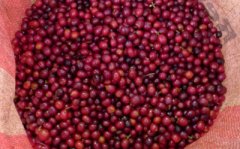
Introduction to the origin of boutique coffee beans Coffee from Papua New Guinea
The frost in 1975 destroyed most coffee crops in Brazil, but stimulated the development of the coffee industry in Papua New Guinea. The Government has implemented a scheme to subsidize rural or collective landowners to create about 20 hectares of coffee plantations. This measure does increase the penetration of coffee in the local economy, resulting in an increase in the annual output of coffee. Papua New Guinea.

Pacific Coffee Pacific Coffee X Vitasoft beancurd jelly Coffee
Exchange of professional baristas, please follow the coffee workshop (Wechat official account cafe_style) Pacific Coffee to play crossover with Vitasoy on her 25th birthday to contribute to the craze of collective memories and childhood memories! Another city, Pacific Coffee, has recently taken on a new look. The shop has set up a wall of painted paper cups to display some of the works that have participated in the activities of colored paper cups.

Introduction to the producing area of Papua New Guinea Coffee grown under Natural conditions
The frost in 1975 destroyed most coffee crops in Brazil, but it affected the development of the coffee industry in Papua New Guinea. * * A scheme has been implemented to subsidize rural or collective landowners to create about 20 hectares of coffee plantations. This measure has indeed increased the penetration of coffee in the local economy, and by 1990, the annual output had reached 1 million bags. However, hardly ever.

Introduction of boutique coffee beans in Wiki Valley, a coffee-producing region of Papua New Guinea
The frost in 1975 destroyed most of Brazil's coffee crops, but it boosted the industry. * * A scheme has been implemented to subsidize rural or collective landowners to create about 20 hectares of coffee plantations. This measure has indeed increased the penetration of coffee in the local economy, and by 1990, the annual output had reached 1 million bags. However, it is almost inevitable that production will soar.

Known as "aristocratic coffee", it is the most classic of French coffee culture.
Bali Coffee: known as aristocratic coffee, it is the most classic of French coffee culture. It is very popular both in France and in Europe and around the world. In particular, it is permeated with a strong aristocratic culture, and it is a favorite of coffee lovers. Bali's economy is dominated by agriculture, rich in rice, corn, coconut and coffee. Agricultural production is mostly in the form of collective cooperation.

Introduction to the origin of boutique coffee beans the origin of round bean coffee in Papua New Guinea
The frost in 1975 destroyed most coffee crops in Brazil, but stimulated the development of the coffee industry in Papua New Guinea. The Government has implemented a scheme to subsidize rural or collective landowners to create about 20 hectares of coffee plantations. This measure does increase the penetration of coffee in the local economy, resulting in an increase in the annual output of coffee. Papua New Guinea.

Known as "aristocratic coffee", the most classic of French coffee culture-Bali coffee
Bali's economy is dominated by agriculture, rich in rice, corn, coconut and coffee. Agricultural production is mostly carried out in the form of collective cooperation. After the 2002 Bali bombing and the 2006 Indonesian tsunami, Bali's white beach is not as good as it used to be, and the local tourism industry has been hit hard. Now it has recovered quickly. Bali Coffee: known as aristocratic coffee, it is the most classic of French coffee culture.

Papua New Guinea Coffee Manor Chimere Manor
The frost in 1975 destroyed most coffee crops in Brazil, but stimulated the development of coffee in Papua New Guinea. The Government has implemented a scheme to finance the creation of about 20 hectares of coffee plantations in rural or collective land ownership. This measure has indeed increased the penetration of coffee in the local economy, with annual production reaching 1 million bags by 1990. However, almost

Introduction to Paradise Bird Manor in Papua New Guinea
The frost in 1975 destroyed most coffee crops in Brazil, but stimulated the development of coffee in Papua New Guinea. The Government has implemented a scheme to finance the creation of about 20 hectares of coffee plantations in rural or collective land ownership. This measure has indeed increased the penetration of coffee in the local economy, with annual production reaching 1 million bags by 1990. However, almost

Guatemala | Vivette Nan Fruit producing area | Fairview Farm | pura cepa treatment
Professional coffee knowledge exchange more coffee bean information please follow the coffee workshop (Wechat official account cafe_style) front street boutique coffee recommendation | Guatemala Polsa Pacamara Guatemala Vivetnam Fairview Farm pura cepa processing Guatemala Huehuetenango Vista Hermosa production country: Guatemala Guatemala production area: Vivetnam

Chinese coffee Yunnan coffee high yield hope to have a good selling price
On January 8, the reporter walked into the Xiadong Village Committee of Mangshi Town, and as soon as he entered the village, he saw that the red coffee fresh fruits on both sides of the road were covered with branches, and a full fruit meant another harvest season. Xing Meizheng, head of the coffee planting professional cooperative of the Xiadong Village Committee of Mangshi Town, told the reporter that the cooperative was established in 2012 and was set up by 14 peasant households to adopt the model of unified management and collective processing.

Indonesian Bali Coffee Sumatra Lindongla Sunawahanna Manor
Bali's economy is dominated by agriculture, rich in rice, corn, coconut and coffee. Agricultural production is mostly carried out in the form of collective cooperation. After the 2002 Bali bombing and the 2006 Indonesian tsunami, Bali's white beach is not as good as it used to be, and the local tourism industry has been hit hard. Now it has recovered quickly. Edit this historical evolution. Bali migrated from other Indonesian islands.

Several principles of Coffee franchise Operation
The principle of unified leadership. The principle of unified leadership means that there can be only one leader and one plan for all activities that strive to achieve the same goal. The principle of unified leadership says that a subordinate can only have one direct superior. It is different from the principle of unified command, which states that a subordinate can only accept instructions from one superior. There is a difference between these two principles.

Do you really know anything about coffee from micro-batches?
A friend of mine in the coffee industry, named Alex, pays close attention to the interests of coffee people in the industry chain during the arduous process of finding beans for customers. of course, the environmental protection of coffee origin is also one of her concerns. In the past few years, we have been discussing the bean-hunting model with coffee bean quality as the core and the beneficial role of promoting micro-batch coffee of origin to promote and consolidate the development of the coffee industry.